

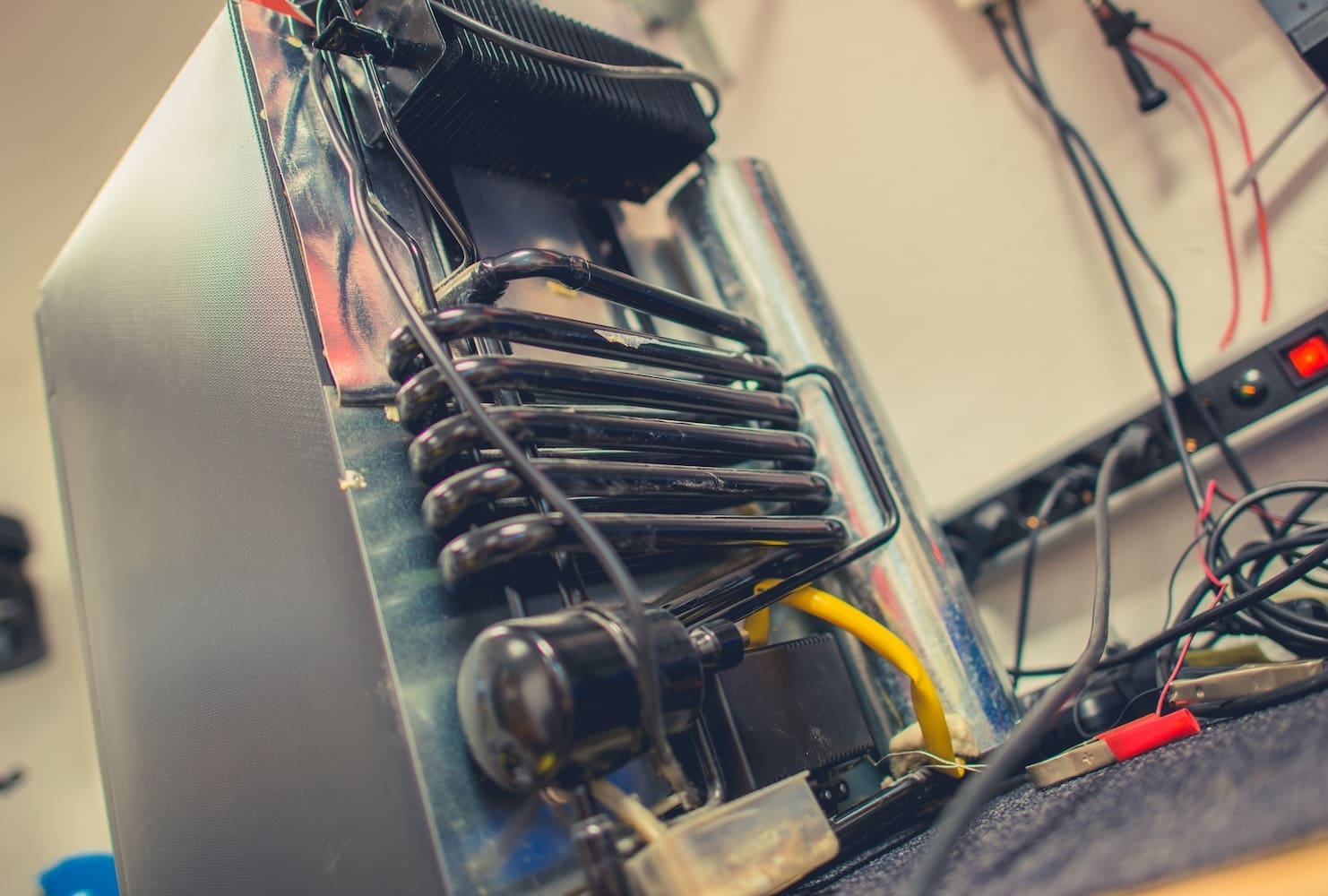
Why Your Propane Refrigerator Struggles in Hot Weather: Solutions and Tips
Propane refrigerators are known for their efficiency and practicality in environments with limited electricity, but they often face performance challenges in high heat. Understanding how these refrigerators work and the factors affecting their efficiency can help you troubleshoot and resolve these issues.
How Propane Refrigerators Work
Propane refrigerators use an absorption process, which involves no moving parts and relies on a mixture of propane, ammonia, water, and hydrogen to create cooling. The process starts with a propane flame heating a solution of ammonia and water in the generator.
Heat-Related Issues
- High ambient temperature: high outdoor temperatures make it harder for the refrigerator to dissipate internal heat. The condenser, which cools the ammonia gas, becomes less effective as the ambient temperature rises. Manufacturers often indicate that propane refrigerators do not perform optimally above 30 °C (86 °F).
- Poor ventilation: proper airflow around the condenser coils is essential. In hot weather, ensuring that the refrigerator’s vents are clear and unobstructed is crucial.
- Sun exposure: direct sunlight can cause the refrigerator’s exterior to absorb additional heat. Positioning the refrigerator in a shaded area can help.
- Overloading: overfilling the refrigerator impedes internal air circulation. Adding too many warm items also increases the thermal load.
Tips to Improve Performance in Hot Weather
- Enhance ventilation — installing an additional fan can help dissipate heat from the condenser.
- Provide shade — use awnings, umbrellas, or other shade structures to protect the refrigerator from direct sunlight.
- Regular defrosting — frost buildup on the evaporator coils reduces efficiency.
- Minimize door openings — each opening allows warm air to enter, forcing the refrigerator to work harder.
- Keep the refrigerator level — for proper circulation of the ammonia solution, the refrigerator must be level.
Maintenance and Upkeep
- Clean the burners — ensure burners are free of debris and residue for a clean, stable flame. An unstable or yellow flame indicates combustion issues.
- Check for gas leaks — use a soapy water solution to inspect gas connections. Bubbles indicate a leak that needs immediate repair.
- Inspect the coils — regularly clean the condenser coils to remove dust and debris.
- Replace worn parts — replace any worn or malfunctioning components with manufacturer-specified parts.
Transitioning to Electric Refrigerators
While propane refrigerators use an older cooling technology, they do not tap into your RV’s battery. However, new electric RV refrigerators are significantly more efficient. To support one, your RV must be equipped with an AGM or gel battery designed for RVs to handle the constant power demand.
If your RV’s propane refrigerator is failing, consider upgrading to an electric model and replacing your lead-acid battery. This change will be more efficient and economical in the long run.