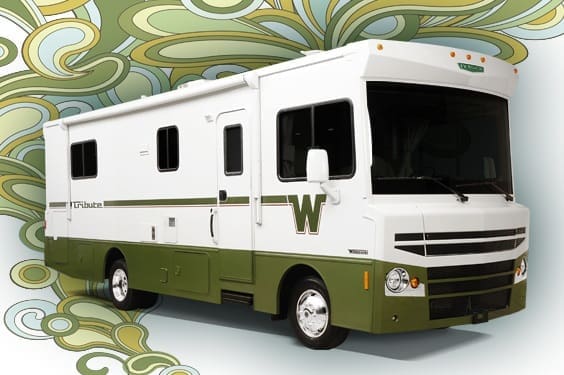
A cost effective way to enter the RV lifestyle.
Buying a used RV can be a cost-efficient way to enjoy the RV lifestyle within a budget that works for you. But purchasing a used RV can come with its own unique set of challenges, like gauging the extent of everyday wear and tear, detecting malfunctions, and identifying damage sustained by previous owners.
You can be confident that Triangle RV inspects each used RV that comes on our lot. It doesn’t leave here until it goes into our shop for a full safety inspection that includes propane, electrical and plumbing systems. Your propane tank will be certified and filled, and if you are buying a motorized unit, there will be ½ tank of gas in it. You can also rest in knowing you have a 50/50 limited-time warranty on appliances, and in many cases, you can upgrade to an extended warranty on your “new to you” RV.
Before making an official purchase, be sure you see the product in person. Pay special attention to the following during your inspection.
Exterior
- Sidewalls — look for dents, dings, rust stains, and scratches. This type of damage will be purely cosmetic, so decide for yourself if you can deal with the eyesores.
- Water damage — look for soft spots or any warping of the exterior fibreglass. This could be indicative of water infiltration, which can be costly to repair.
- Awning — withdraw the awning and make sure it extends smoothly and fully. Check the fabric for tears, sun fading, or mildew buildup.
- Rear ladder — investigate for signs of deterioration. If it doesn’t look safe, don’t risk an injury by trying to climb it.
- Roof — look for any cracking or tearing in the seals and seams.
- Signs of rust — lots of rust can be a red flag that the RV wasn’t cared for, maintained, or stored properly.
- Storage compartments — check that these open and shut smoothly, appear dry and clean, and latch completely.
- Holding tanks — ask to run water into each tank to verify that none of them leak, and that the level indicators work.
- Tires — check for sun damage, flat spots, bubbling, cracking, or tearing, and look at the tread.
- Exhaust — when the engine is running on idle, the exhaust should be clear in the sunlight and odourless.
- Slide-outs — withdraw and retract to verify that they open and close smoothly, and check the manual override.
- Levelling and stabilizing jacks — are they present? Do they work properly?
- Hitch tongue / pin connector — look at the overall condition, then hitch it to your tow vehicle to verify ease of use.
- Propane system — investigate the tanks, hoses, and regulators for any safety concerns.
- Entry steps — do they extend and retract easily? Manual or automatic? Is a grab handle present?
Interior
- Lighting — flip on every light. Ask whether they are fluorescent or LED.
- Air conditioning — run the A/C for at least 10 minutes and verify it is pumping out cool air.
- Furnace — start it and run it for at least 10 minutes. Check the hue of the flame.
- Flooring — look at the condition of the carpets and laminates. Feel for areas of imbalance or warping.
- Ceiling — check closely for damp patches, sagging, or signs of mould, especially in the corners.
- Windows — do they open and close properly? How many panes? Are they tinted?
- Water — turn on all the faucets and look for signs of leaking around the tanks, pump, and water heater.
- Plumbing — verify that toilets flush correctly and drains dispel water properly.
- Beds — kick up your feet on each one to ensure they are comfortable enough to sleep on.
- Range — turn on each burner. Light the oven and the microwave if fitted.
- Refrigerator — check the temperature in both gas and electric settings.
- Sizes — go room to room and decide if each is big enough. Key areas: the bathroom, bedroom, and kitchen.
- House batteries — check how many there are and what condition they’re in.
- Electronics — turn them on to see if they all work, and check none are missing.
- Countertops — ample surface space is essential for easy meal preparation.
- Furnishings — sit in each chair and on all of the couches.
- Dash panel controls — for non-towables, check the radio, cruise control, blinkers, flashers, mirror adjusters and speakers.
- Drawers and cabinetry — open everything to make sure it functions smoothly.
- Safety — a fire extinguisher, carbon monoxide detector, smoke detector, and propane gas detector should all be present.
- Manuals — double-check that the owner’s manual is included.
Test drive
- Engine — does it start up on the first try? Does everything sound like it’s running smoothly?
- Brakes — are the brakes responsive? Does the vehicle come to a stop smoothly?
- Leaks — after the test drive, check the ground where the RV was parked for discolouration or wet marks.
- Manoeuvring — would you feel comfortable towing or driving that specific RV through parking lots and into narrow campsites?
Now that you have a handy checklist for buying a used RV, you should be better equipped to identify defects and signs of damage so that you don’t unknowingly make a regrettable purchase.